How to Visit a Japanese Shrine: A Guide for First-Timers (From Someone Who Still Bows at the Back Exit)
If you want to know how to visit a Japanese shrine, you’ll notice something important right at the entrance. Japanese visitors pause at the gate and bow before entering. Nobody seems to announce this rule. They just do it.
And occasionally, you’ll see a visitor who has clearly done their research bow respectfully at the torii gate — facing outward, back to the shrine.
I once watched a young man do exactly this at Meiji Jingu. He was trying so hard to get it right. In my heart I was screaming: the other way. Please. The other way.
He left before I could say anything. But watching him, I noticed something — he’d been observing the Japanese visitors around him, trying to follow what they did. He got the direction wrong. He got the intention exactly right.
Watching him, I felt oddly grateful.
Here was someone from another country, standing at a shrine that meant nothing to him personally, yet still making an effort to be respectful. He got it wrong. But he cared enough to try.
This guide is for him.
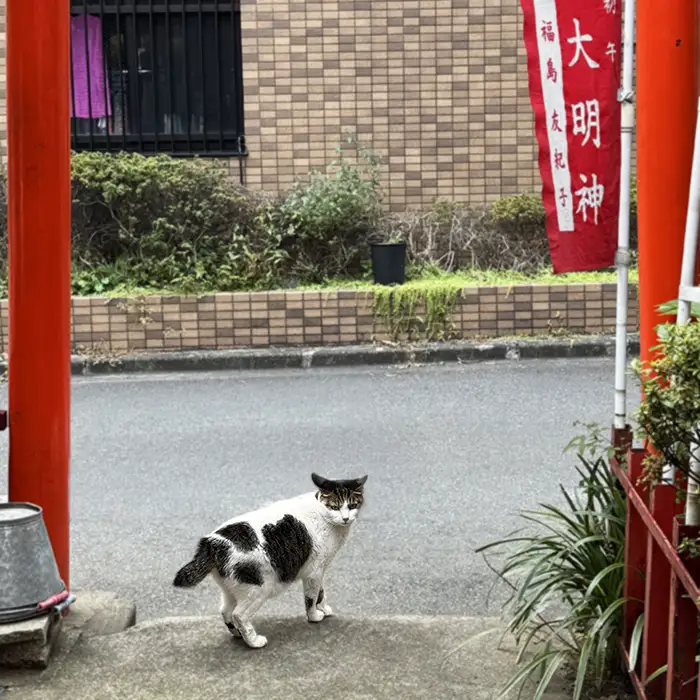
The Torii Gate: You’re Entering Sacred Ground
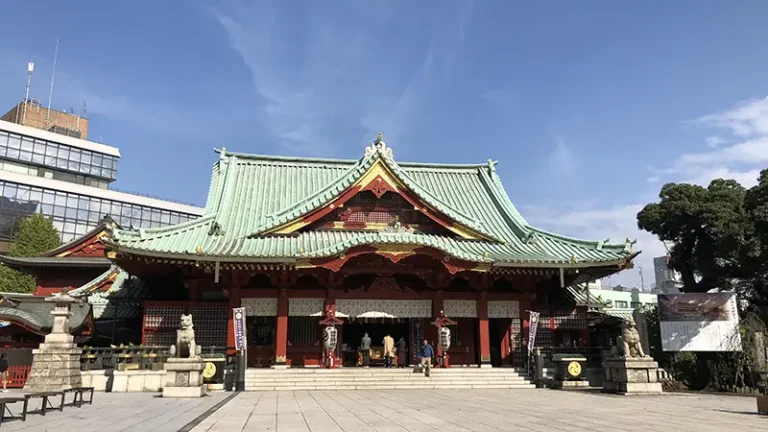
The torii gate is not a photo opportunity. It marks the boundary between the ordinary world and the sacred.
Everything inside the gate is shin’iki (神域) — sacred ground, divine territory. Think of it as the kami’s home. When you enter someone’s home, you acknowledge the threshold. That’s what the bow at the torii is for.
Enter from the left or right side of the gate — not the centre. The centre of the path (seichuu) is the kami’s passage. Walking straight down the middle is a bit like taking the best seat without being invited.
Bow once before entering. Bow once when you leave.
The Sandō: Walking Toward the Shrine
The gravel path leading toward the main hall (sandō) continues the principle: stay to the sides, not the centre. Some shrines have a designated walking side. When in doubt, follow what Japanese visitors around you are doing.
At larger shrines, you may pass through a second gate (zuishinmon). Bow there too.
Chouzuya: Purifying Your Hands
Before approaching the main hall, you’ll find a stone basin (chouzuya, also commonly called a temizuya) with ladles. This is where you purify your hands.
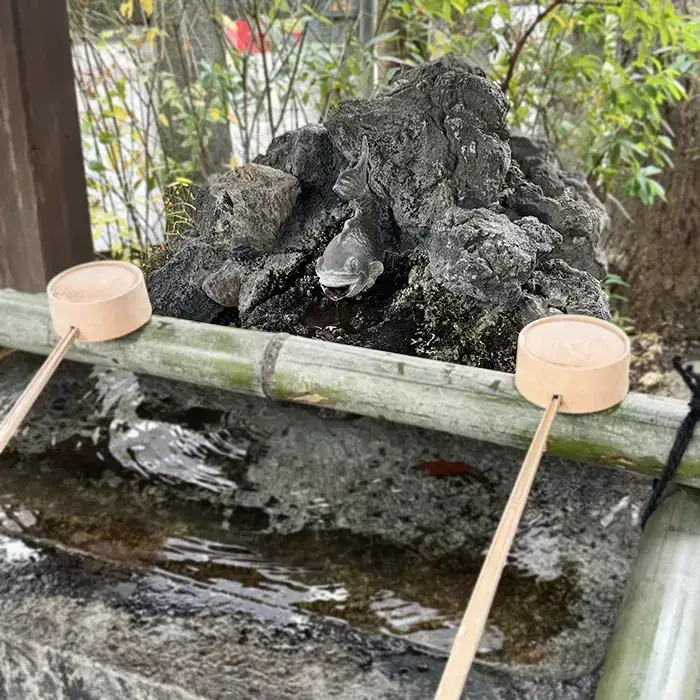
The order goes: right hand holds the ladle, rinse the left. Switch, rinse the right. Switch back, pour a little into your cupped palm, bring it to your mouth — without touching the ladle with your lips. Then tilt the ladle so the remaining water runs down the handle. You’re cleaning it for whoever comes next.
Watch someone who does this regularly and it takes maybe fifteen seconds. There’s a rhythm to it once you’ve done it a few times.
A personal note: I stopped rinsing my mouth after COVID and haven’t gone back. Most people continue to do it, and that’s perfectly fine — I just made a different call for myself. I still cleanse both hands carefully, and I crouch fairly low over the basin to avoid splashing anyone nearby. Some people seem to treat the ladle like a garden hose. Please don’t.
And one thing that really needs to be said: do not put your mouth directly on the ladle. This is not how it’s done. The people behind you will thank you.
If the water looks stagnant, discoloured, or questionable — birds exist, and they don’t ask permission — it’s perfectly fine to skip the mouth rinse or the whole thing. No kami will hold it against you.
The Offering Box & The Bell
The offering box (Osaisen-bako) is in front of the main hall. This is where you leave your offering — usually coins.
The key word is leave. Not throw, not toss, not fling dramatically as if making a wish at a fountain.
Slide the coin in gently. Think of it as placing an offering on an altar, because that’s exactly what it is.
At some shrines, even small offerings are traditionally wrapped in paper before being presented. This reflects the idea that an offering is a gift to the kami rather than a payment for a favour.
Many shrines have a large bell or set of bells (suzu) hanging above the offering box. Ringing it is a way of announcing your arrival to the kami.
If you want to ring it, ring it gently. Let it sound properly — not like you’re trying to summon someone from the back of a warehouse.
The goal is a clear, clean sound. Not: I AM HERE. COME OUT!
If you can’t get it to ring nicely, it’s fine to skip it. That’s what I do. Clapping (kashiwade) works just as well, and I’ve never managed to embarrass myself with a pair of clapping hands.
The Bow and Clap: How to Pray
Once you’ve made your offering, the standard form of worship at most shrines is:
Two bows. Two claps. One bow.
Bow deeply twice, about 90 degrees. Then clap twice — traditionally the right hand sits slightly lower than the left before the hands meet. Different explanations exist for why, but the practical effect is a cleaner, clearer sound, and many people understand it as a gesture of respect toward the kami. After the claps, hold your hands together and take a moment — pray, reflect, or just breathe. Then one final bow to close.
Some shrines have different customs (Izumo Taisha, for example, uses four claps). If you see a sign or notice locals doing something different, follow that.
The clapping can be done with some energy. Unlike the bell, clapping loudly is fine and is meant to carry.
What to Actually Do When You’re Standing There
This is the part most guides leave out.
If it’s your first time visiting this particular shrine, introduce yourself. Tell the kami who you are: your name, where you’re from, roughly what you do in life. You don’t need to speak aloud — the kami can hear your thoughts anywhere on the grounds.
Introduce yourself anyway. It’s simply good manners.
If you’ve been to this shrine before, you can skip straight to the greeting. I’m back. Thank you for last time.
You can ask for things. Japanese people do this casually — passing exams, good health, finding a partner, getting a promotion. But here’s the part that matters: if your wish is granted, come back to say thank you. This return visit is called o-rei mairi, and it’s considered essential.
Which leads to an important point for visitors from abroad: if you know you can never return to this shrine — if it’s your only day in the city, if you live on the other side of the world — consider not making a specific request. Just introduce yourself. Say hello. Enjoy the space. A wish with no follow-through isn’t ideal.
Respecting Others While You’re There
A shrine is not a park, even when it looks like one.
While you’re waiting to approach the main hall, keep your voice down. When someone is mid-prayer, don’t crowd in close or start chatting loudly with your travel companions.
One afternoon I was at my local shrine when a man finished his prayers and caught up with me on the steps on my way out. He was visibly annoyed. The priests inside had been chatting with each other while he was praying — literally standing between him and the kami, talking.
He had a point.
The general principle: treat the space as you would want others to treat it when it’s your turn to pray. Whether you believe or not, the person next to you might.
Leaving the Shrine
When you leave, bow at the torii again, facing inward toward the shrine.
At large shrines with multiple entrances, try to exit through the main gate if you can. If you’re pressed for time and need to use a side exit, it’s fine — I usually offer a quiet apology to the kami and explain where I’m going. This is probably more habit than necessity, but it feels right.
A Few More Things Worth Mentioning
When walking across the front of the main hall, even if you’re not stopping to pray, a small bow toward the hall is a nice gesture. You’re passing in front of the kami’s space. A brief acknowledgement seems only polite. I do this every time without really thinking about it anymore.
Hats and hoods. If you’re wearing a hat or a hoodie pulled up, take it off or lower it before entering the torii. You wouldn’t keep your hat on when meeting someone you respect. Same principle.
Photography. Many shrines allow photography of the grounds, but some restrict it, especially inside the main hall or in certain areas. Look for signs, and when in doubt, ask or simply don’t.
Also: a person deep in prayer is not a background for your photo. Wait, or move to a different angle.
And while we’re on the subject, try not to turn the shrine into a photo studio. A quick photo is usually fine. A twenty-minute group photoshoot that blocks the approach to the main hall is less so. If people are waiting to pray, let them pass. The shrine will still be there when you’re done.
One Last Thing
Many Japanese people describe a shrine as feeling different from the world outside its gates.
Step through the torii, and the noise of the city often seems to fade. The air feels calmer. Time seems to slow down a little.
Whether this comes from faith, tradition, architecture, nature, or simply the act of pausing for a moment — people often leave a shrine feeling refreshed. That feeling is real, whatever you choose to call it.
Everything described in this guide assumes that the kami is present, listening, and worthy of your attention.
You don’t have to believe that to follow these practices respectfully. But if you do — even a little, even just while you’re standing there — the visit tends to feel quite different.
That’s the thing about shrines. You come to observe, and sometimes you end up in a conversation.
In case you’re wondering.
I’m not a priest or a scholar. Just a Japanese person who spends far too much time visiting shrines.
Most of what I know came from watching my parents, observing other visitors, and reading people who know far more than I do. Occasionally, I’ve encountered someone whose technique was… distinctive. I have not adopted their approach.
You might also like:
How to Visit a Japanese Temple: It’s Not a Shrine (A Lesson I Learned Late)