What Are Kami? Understanding the Sacred in Japan
In Japan, there is no single creator deity at the centre of belief.
Instead, the world is understood as being filled with sacred presences found in nature, places, and human relationships. These sacred presences are called kami.
Kami are often experienced as spiritual presences that dwell within mountains, rivers, trees, wind, animals, and even places shaped by human history and memory.
A mountain may be sacred. A river may be sacred. A rock, a forest, or a place connected to important events may also carry a spiritual presence.
In some cases, natural features themselves are regarded as sacred. At Omiwa Shrine in Nara, for example, Mount Miwa is revered as the sacred body of the kami, and the shrine traditionally has no main sanctuary building separating the deity from the mountain itself.
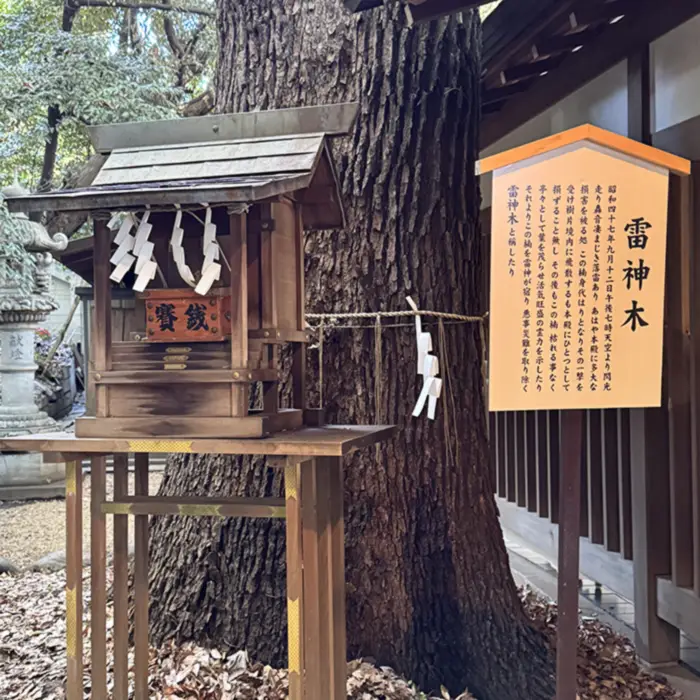
Sacred trees wrapped with shimenawa ropes can be found throughout Japan, marking places where the presence of kami is believed to dwell.
Because of this, kami do not have a single fixed form or personality. They are not separate from the world, but embedded within it — appearing through nature and relationships rather than existing apart from them.
Animism and the Living World
This way of understanding the world is often described as animism: a worldview in which nature is not separate from the sacred, but alive with spiritual presence.
Animism here does not mean that everything is literally a god. It means that the boundary between nature and the spiritual realm is fluid and interconnected. The mountain is not a symbol of something sacred. The mountain itself is sacred.
This is why the number of kami in Japan is sometimes described as yaoyorozu no kami — eight million, or loosely, “countless.” Not because someone counted them, but because the presence of the sacred is understood as pervasive rather than concentrated in a single place or being.
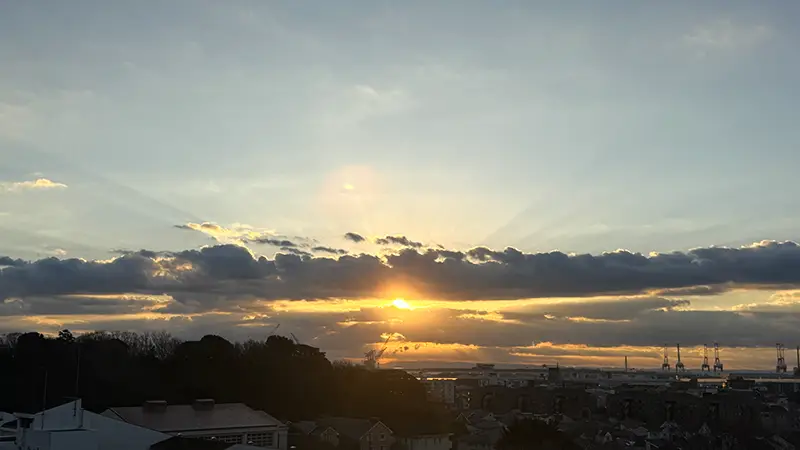
This connection between nature and the sacred can still be seen in modern Japan. Every New Year, many people wake before dawn to watch the first sunrise of the year, known as hatsuhinode. While not everyone thinks of it in explicitly religious terms, the custom reflects a long tradition of viewing the sun as something worthy of appreciation, gratitude, and renewal.
A Glimpse of Japanese Mythology
Japanese mythology, recorded in the Kojiki — Japan’s oldest collection of myths and historical accounts — gives vivid expression to this worldview. The text begins with primordial deities such as Amenominakanushi, whose name is sometimes translated as “the deity of the central origin of heaven.” Rather than focusing on a single creator figure who stands apart from the world, the emphasis is on a cosmos that unfolds through relationships, generation, and layered emergence.
The creation deities Izanagi and Izanami are said to have given birth to the islands of Japan themselves. The sun goddess Amaterasu is associated with light and order. In one well-known story, the storm deity Susanoo behaves in a chaotic and disruptive way, and Amaterasu retreats into a cave, bringing symbolic darkness to the world until harmony is restored.
These stories are not moral tales in a strict sense. They reflect natural forces, emotions, and the balance between order and disruption — the same balance that shapes the world outside.
Rather than doctrine to be followed, they are closer to a record of how ancient people understood the world they lived in.
Shrines as Part of Everyday Life
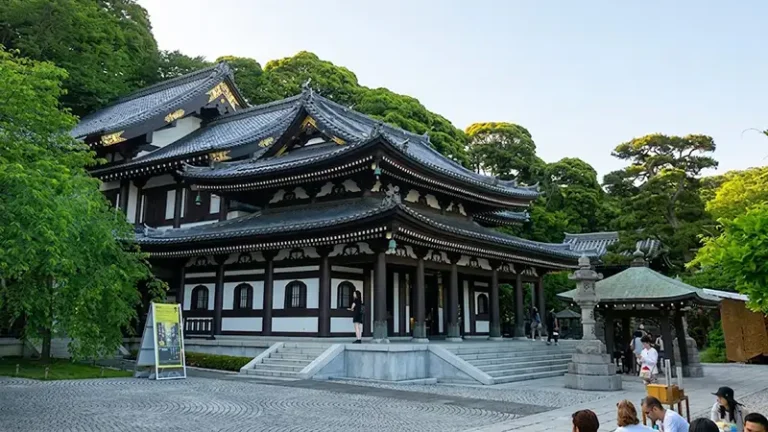
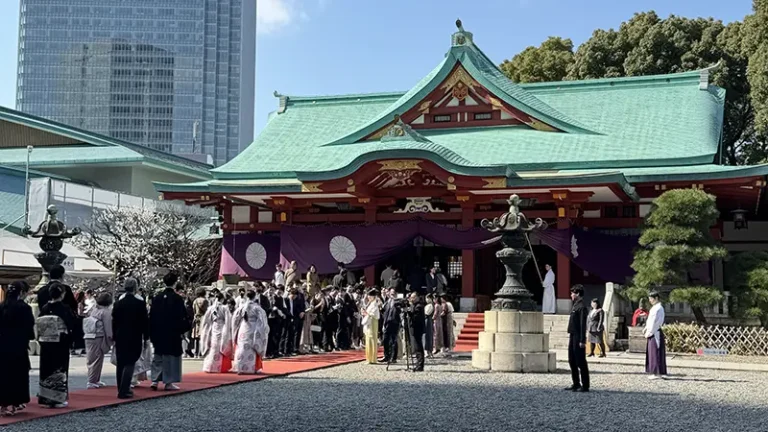
In Japan, shrines are not distant or intimidating places reserved for formal occasions. They tend to be part of the fabric of ordinary life — neighbourhood spaces, places to stop on the way somewhere else, places to sit quietly.
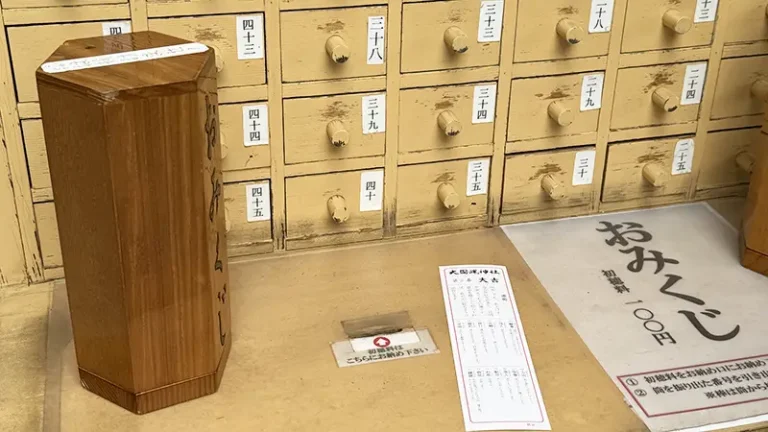
People visit to express gratitude, to pray for success in an exam, safe travel, good health, or simply to mark the passing of time. The relationship with kami tends to be informal and flexible, focused more on communication and respect than on doctrine.
This is not unique to certain times of year. The interaction with the sacred is woven into daily life rather than set apart from it.
One traditional rhythm that continues in some communities is visiting a shrine on the 1st and 15th of each month, days considered auspicious for shrine visits. In the Meiji era, the military commander Nogi Maresuke was known for visiting Oji Inari Shrine on a regular basis — a reflection of how shrine visits could become a personal rhythm rather than a formal obligation.
When I am back in Japan, I try to follow something similar at Kanda Myojin. Not as a rule, but as a way of staying in contact with a place that matters to me.
Because kami are both familiar and worthy of awe, interacting with them traditionally involves a sense of respect. The sacred is not distant, but neither is it treated casually.
When Humans Become Kami
One of the most striking aspects of Japanese belief is that kami are not only found in nature. They can also arise from human history.
Some historical figures were believed to have become powerful spiritual presences after death. Rather than being simply feared, these spirits were often enshrined in order to honour and calm them.
Sugawara no Michizane, a scholar and statesman of the ninth century, is now worshipped as the deity of learning — at Kitano Tenmangu Shrine in Kyoto and Dazaifu Tenmangu Shrine in Fukuoka, and at countless shrines across the country. The story of his life, and the resentment he carried after being exiled, is part of what made him powerful.
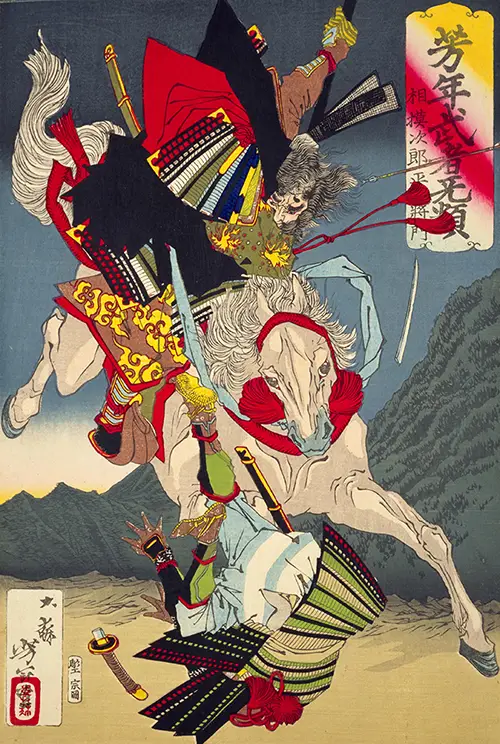
from the series Yoshitoshi’s Courageous Warriors
by Tsukioka Yoshitoshi
Taira no Masakado, a tenth-century warrior who led a rebellion and was killed, is enshrined at several sites in Tokyo. His presence is still treated with deep respect in the heart of the city.
In the heart of modern Tokyo, places connected with Masakado continue to be preserved and cared for. In a city that is constantly changing, that quiet continuity is remarkable.
The idea here is that spiritual power can arise from human emotion, history, and unresolved tension — not only from divine origins. A figure who suffered greatly, or who carried great ambition or grief, might leave a presence in the world that outlasts their body.
This is not punishment. It is recognition.
Not a System, But a Presence
What makes kami difficult to define neatly is that they resist the categories most of us carry into the conversation.
They are not gods in the sense of distant rulers. They are not spirits in the sense of ghosts. They are not forces in the purely physical sense. They are presences — layered into the world, encountered in specific places, approached through relationship and attention.
Japan does not separate the sacred and the natural world very strictly. They are woven together.
Which means that for many Japanese people, asking “where is the sacred?” is a little like asking where the weather is. It is not somewhere else. It is here, in everyday life.