Inari and the Fox: A Relationship That Requires Care
There are more than 30,000 Inari shrines in Japan.
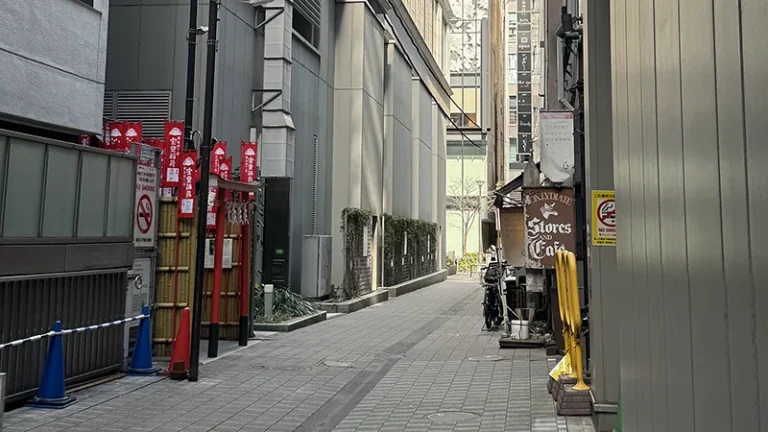
That figure — more than any other type of shrine — suggests a kami that has woven itself into the fabric of ordinary life. Inari shrines appear in city neighbourhoods, tucked between office buildings, at the edges of residential streets, inside the grounds of larger shrines. They are, in one sense, everywhere.
And yet, for all their familiarity, many Japanese people approach them with a quiet sense of care — something between affection and caution that is not easily translated.
Before anything else, a clarification.
The fox is not the kami.
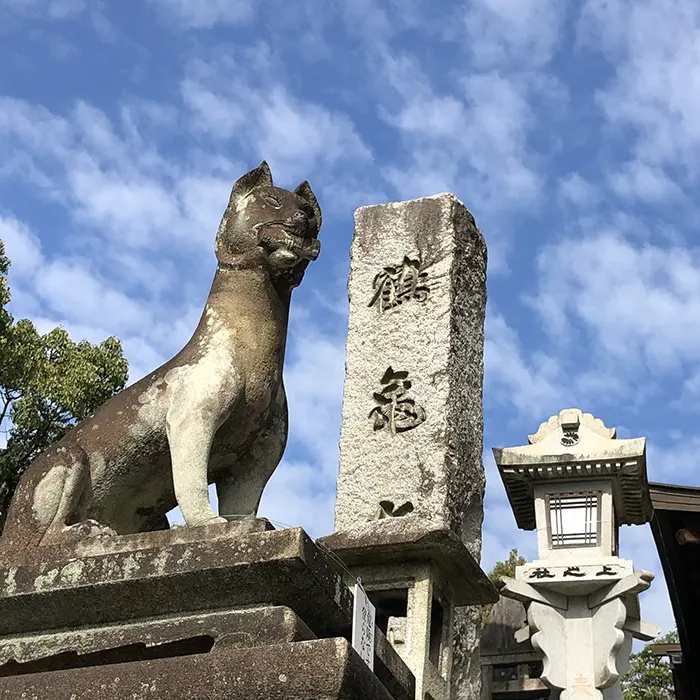
Walk into almost any Inari shrine and you will encounter fox statues at the entrance, fox images on the ema plaques, fox-shaped omamori at the amulet counter. It is a reasonable mistake to assume the fox is the deity being worshipped. But the fox is a shinshi — a divine messenger, a servant who works on behalf of the kami it serves.
In many Shinto Inari shrines, the principal kami is Ukanomitama-no-Kami, associated with rice, agriculture, and commercial success. The fox carries the kami’s messages. The fox is not the kami itself.
Two Traditions
Inari worship developed through at least two major traditions, with distinct origins that eventually became intertwined.
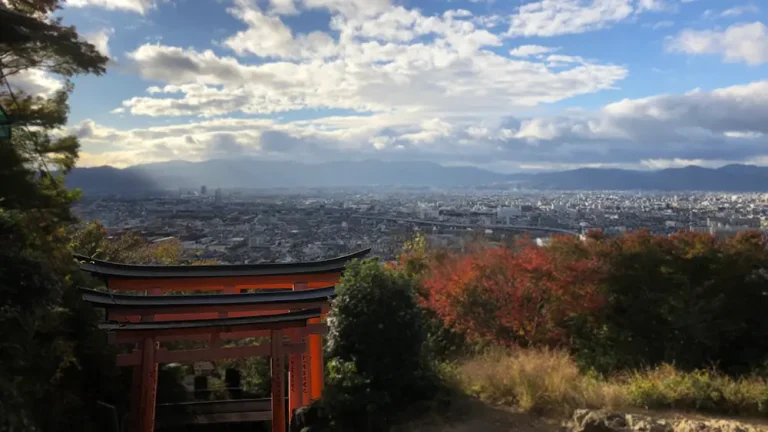
The first is Shinto Inari, centred on Ukanomitama-no-Kami and associated with agriculture, harvest, and prosperity. The head shrine of this tradition is Fushimi Inari Taisha in Kyoto, founded in 711 CE — one of the oldest and most visited shrines in Japan, famous worldwide for its senbon torii, the tunnel of thousands of vermilion torii gates climbing the mountain. When most people in Japan think of Inari, this is likely what they mean.
The second is Buddhist Inari, which developed through centuries of syncretism between Japanese Buddhism and an Indian deity called Dakini. When this tradition arrived in Japan and merged with local Buddhist practice, its attendant animal became the fox — far more familiar in the Japanese landscape. The result was Dakini-ten, a deity depicted riding a white fox.
Today, temples that enshrine Dakini-ten are associated with powerful blessings — as well, sometimes, with a reputation for particular intensity in matters of spiritual reciprocity.
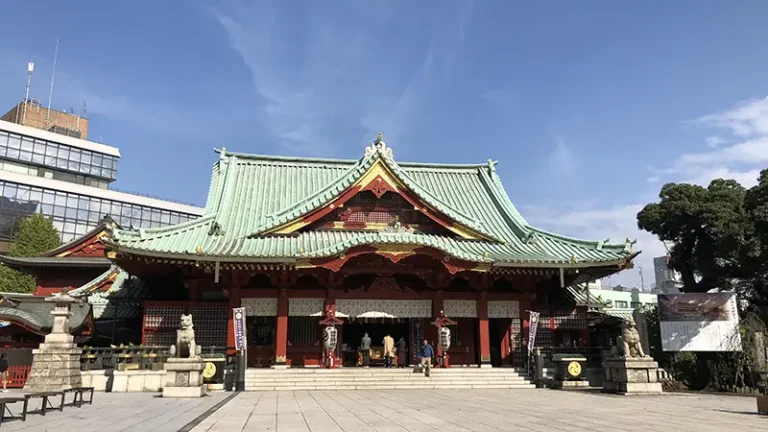
The most famous Dakini-ten temple in Japan is Toyokawa Inari in Aichi Prefecture, a temple of the Soto Zen school of Buddhism. Its Tokyo branch, Toyokawa Inari Tokyo Betsuin in Akasaka, is a temple I have visited since childhood. It is a place where the Buddhist and Shinto traditions of Inari sit alongside each other in a way that is very Japanese — the boundaries between them softened by centuries of shared practice.
Why Some People Are Cautious
Inari is one of the most approachable of Japanese deities. The shrines are everywhere. The blessings are immediate and practical — good harvests, successful business, health, protection. The fox is charming.
There is a Japanese saying: shitashiki naka ni mo reigi ari — even between close relations, proper conduct matters. Visiting an Inari shrine has a way of making that phrase feel true in the body, not just the mind.
And yet.
Some Japanese people feel a particular caution around Inari shrines — more than they might around other shrines. This is not because Inari is considered malevolent, but because the relationship with Inari is understood to be unusually reciprocal.
The idea is this: Inari responds to devotion and gratitude. Blessings given are expected to be acknowledged. If you pray for something, receive it, and then fail to return and give thanks — this is understood as a kind of negligence, and stories of misfortune following such neglect are genuinely part of the oral tradition around Inari worship.
Whether this is taken literally or symbolically varies from person to person. But the cultural expectation exists. Inari is not a deity you approach casually, take a blessing from, and forget about.
This, in turn, is connected to the fox’s nature in Japanese mythology. The fox is clever, perceptive, and sensitive to sincerity. The shinshi reflects the character of the deity it serves. If the fox is watching, it notices whether you mean what you say.
What is sometimes described as “fear” around Inari is not fear in the literal sense, but a form of attentiveness — an awareness that one is entering into a relationship, not merely visiting a sacred place.
The Kami You Can Talk To Easily
There is another reason Inari shrines are everywhere, beyond historical or commercial factors.
Inari is a kami many Japanese people turn to for everyday concerns.
Not grand prayers for world peace or transformative life changes — though those are welcome too. But the quiet, daily concerns: please let this person recover. Please let the weather hold. I’ve been feeling unwell lately. Please watch over my family today.
The scale of the prayer matches the scale of the shrine. Small, nearby, woven into the neighbourhood. You can stop on the way home. You can offer a quick greeting without elaborate ceremony. Inari accepts both the formal pilgrim and the person who just needed a moment.
This proximity also has a domestic dimension. Yashiki-inari — household Inari shrines — have a long history in Japan. Influential families and estates would enshrine an Inari kami within their grounds as a private protector of the household. Over generations, as estates changed hands or were divided, some of these shrines remained. What began as a private family shrine became a neighbourhood shrine, or was incorporated into the grounds of a larger temple or shrine.
Many of the small Inari shrines you encounter within larger shrine precincts have this kind of history — they were once someone’s household kami, carefully tended by a family, before becoming part of a wider sacred landscape.
The result is a kami who is both ancient and immediate. A kami who has been in the neighbourhood for generations, who has heard prayers from people you will never meet, and who is still there when you need to stop and say something.
The Shrine That Called Me
Inari is approachable, and yet there is something about the relationship that calls for a certain attentiveness. Once you have made an offering at an Inari shrine, there is a sense — not quite a rule, more like an understanding — that it is worth returning.
For this reason, I have often walked past small Inari shrines at places I visit regularly without stopping. Passing without engaging feels easier than beginning something I cannot be certain of continuing.
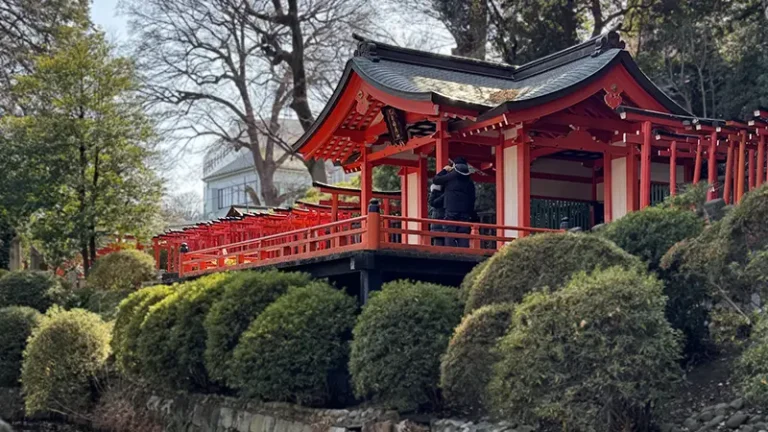
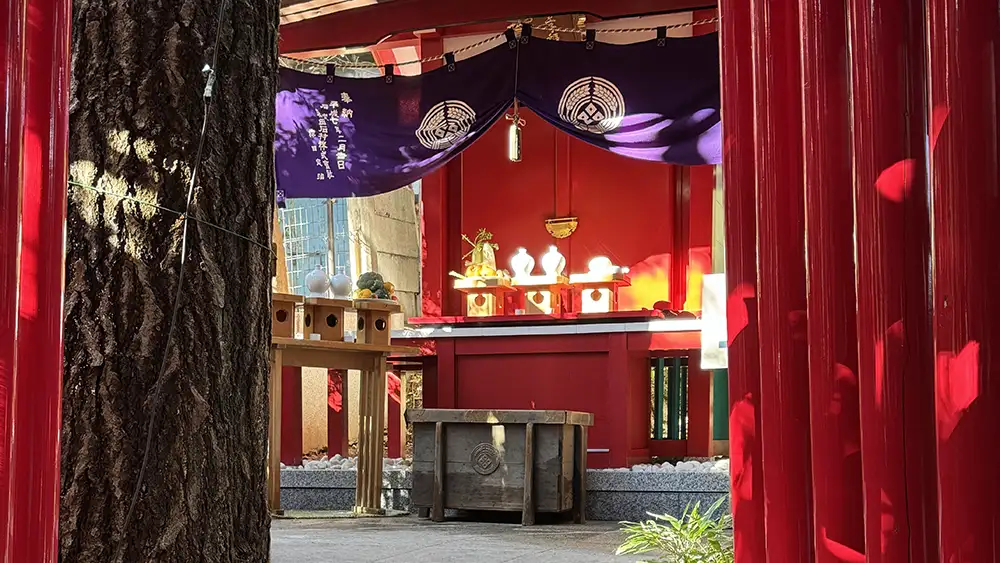
The small Inari shrine in the grounds of Yushima Tenjin was like that for me.
Then one day there was a small festival in the precinct — food stalls, noise, more people than usual. I was moving through the crowd when something caught my attention at the edge of my vision.
The small Inari shrine appeared to have a different quality of light.
I cannot say more than that with certainty. What I can say is that in that moment the shrine seemed to stand out from its surroundings in a way it had not before.
I found myself walking toward it.
Standing in front of the shrine, the shide — the folded paper strips hanging from the roof — swayed in a small gust of wind. Whether I was being welcomed is not something I can claim to know. But that was how it felt, in that moment.
Since then, I visit that shrine first whenever I go to Yushima Tenmangu. I am not certain when it became a habit. It simply is one now.
What Inari Is, In the End
Inari is the kami of abundance — rice, harvest, commerce, success. The fox is the messenger. The shrines are everywhere because the prayers they carry — for things to go well, for work to flourish, for protection in ordinary life — are everywhere.
Inari is often spoken of as a kami of reciprocal relationship.
Familiarity does not remove the need for care. It simply makes the relationship easier to notice.
This is not unique to Inari.
It is simply where this is most clearly articulated.
The Fox is often imagined as attentive – not as judgement, but as awareness: a presence within a relationship of sincerity and return.