If You Want a Photo with a Torii Gate, Donate One First
If You Want to Photograph a Torii Gate, Consider Donating One First
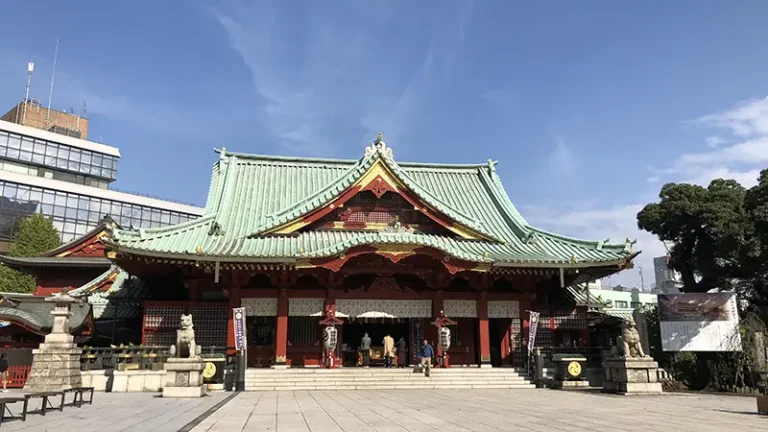
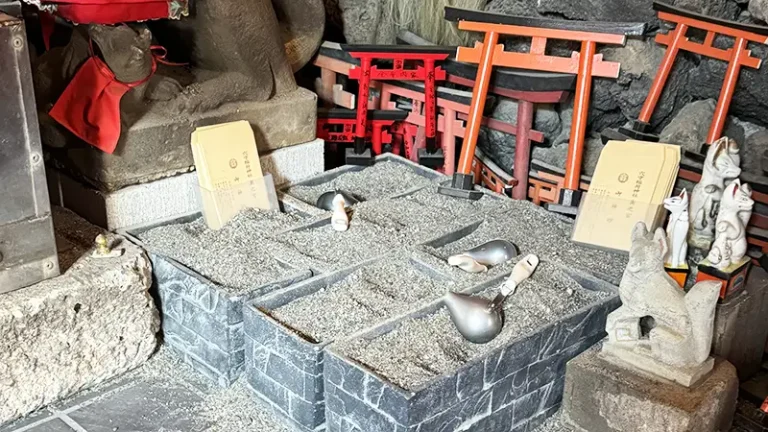
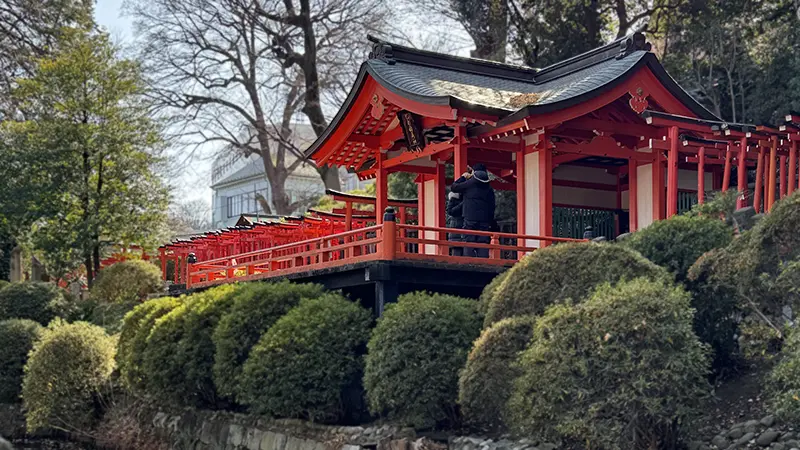
Behind the main hall of Hie Shrine in Tokyo, past the small Inari shrine, there is a corridor of small red torii gates climbing the hillside in a tunnel. I was waiting for a family to finish their photographs — the parents repositioning, the children guided into place, many frames taken. I wasn’t in a hurry, so I stood and watched.
That’s when I noticed something. I started thinking deeply about the true torii gate meaning.
I have never touched a torii gate.
Not the pillars, not the base, not the wood, not the lacquer, not the metalwork. When my turn came and I passed through, I moved to the side, drew my arms close to my body, and descended through that narrow passage as though trying not to disturb something. Angled slightly away from the centre.
I had always done this. I simply hadn’t noticed until then.
The torii is probably the most photographed element of any shrine. I understand why. A single massive gate standing against a mountain or the sea has a certain quiet power. And the small red gates of Fushimi Inari or Nezu Shrine — tunnelling inward, light pressing through the gaps, the whole corridor taking on a quality that can only be described as somewhere else — stop people in their tracks.
So people stand in the centre of the frame, lean against the pillars, wrap their arms around them for the photograph. The place is beautiful. It is visually extraordinary. I have photographed torii gates myself.
But I have never touched one.
No one told me not to. I have never seen a sign at any shrine saying please do not touch the torii. It isn’t specifically about the torii — it’s something broader, a kind of deference that extends to everything within the shrine grounds.
What a torii actually is
A torii marks the boundary between the ordinary world and sacred ground. Passing through one means entering the domain of the kami — the territory that belongs to the deity enshrined there.
This is not merely symbolic. In Shinto, boundaries carry meaning. The act of passing through a torii is itself a transition, which is why many people bow before entering and again before leaving. Not because anyone is watching, but because the gate marks a change in where you are.
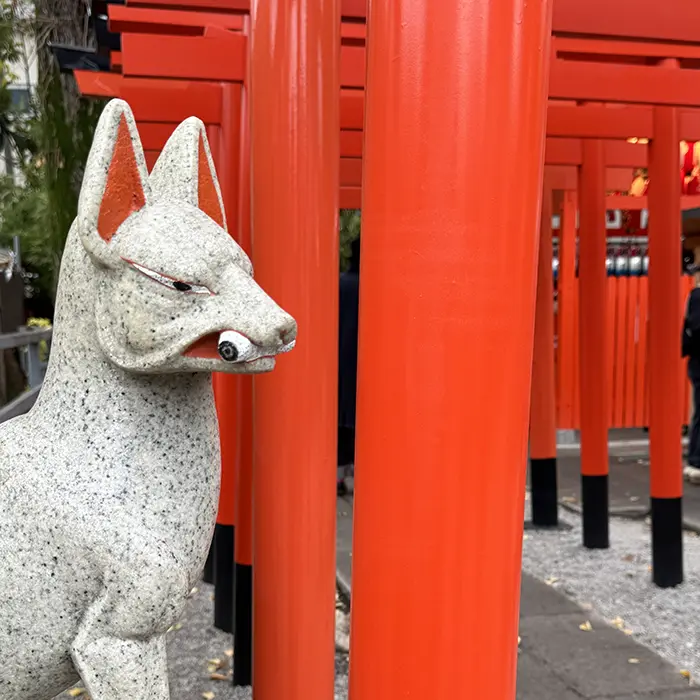
The small red torii lining the approaches of Inari shrines — the ones forming those tunnels — are not decoration. Each one was donated by an individual or a company. The names and dates of donors are inscribed on the pillars. The cost begins at several hundred thousand yen for a small gate, and runs into the millions for larger ones.
Each gate carries a wish, a prayer of thanks, a hope for business prosperity. Each one is, in a tangible sense, someone’s feeling made physical.
What I see when I walk through
When I walk through a tunnel of small red torii, I’m aware that each one is someone’s prayer.
Someone’s please. Someone’s thank you. Standing on a hillside or in a shrine precinct, some of them for decades. The person who donated it may no longer be alive. Whether the wish was granted, I don’t know. But the gate is still there.
So when I pass through, my body does something no one instructed it to do. I move to the side, draw my arms in, try to pass through as quietly as possible, as though moving through something I don’t want to disturb.
If my sleeve grazes a gate, I find myself bowing slightly toward it.
I have also watched people prop bags against the base of a torii while composing their shot. I don’t do that either. Resting a bag against it feels, somehow, like a lapse in care toward something that deserves to be handled with a certain attention. No one told me this. It’s closer to the feeling of being in the presence of something that should be treated gently.
遠慮(えんりょ) — there is a Japanese word, enryo, that doesn’t translate cleanly into English. It describes a kind of restraint that comes not from rules but from sensitivity to a situation. Not I must not do this, but something about doing this here feels off.
That’s what I feel at a torii. Enryo. A quiet step back.
The interesting part
Honestly, I can’t fully explain it. Neither could most of the Japanese people I’ve asked.
It isn’t a rule. It isn’t doctrine. I have no memory of reading anywhere that one must not touch a torii. And yet the body knows.
The same is true of other unspoken habits at shrines — the instinct to walk slightly to the side of the central path (there is a tradition that the centre belongs to the kami), the bow before passing through a gate, the way voices tend to lower naturally as you approach the main hall.
No one teaches these things systematically. They seep in. From watching family, from being brought to shrines as a child, from years of accumulated feeling about how one moves in a place like this.
And then, years later, you see a visitor leaning against a torii for a photograph, and you notice — for the first time — that you’ve been moving differently all along. That somewhere along the way, you began orienting yourself toward the kami without quite realising it.
Two things can both be true
I want to be clear about something.
People photographing at torii gates are, almost certainly, responding to something beautiful. That I understand. They may have seen the image somewhere and longed to stand inside it themselves. The desire to photograph it makes sense.
The difference between them and me is not a moral one. It is, most likely, a difference in what we see.
To a visitor, it may appear as a beautiful structure. To me it also appears as a beautiful structure — and simultaneously as something that carries the accumulated weight of other people’s prayers, as a boundary marker, as the object of years of donation and ritual and early-morning sweeping by priests for whom cleaning is itself a form of worship.
The same object. Different layers of it visible.
When those layers become visible — when the body absorbs them without being told — you move through the same space quite differently. More quietly. More carefully.
What torii gates actually cost
If you wish to donate a torii gate to an Inari shrine, the price depends on size.
The cost varies by shrine and size. Even smaller torii can cost hundreds of thousands of yen, while larger ones may cost several million yen or more.
The donor’s name is inscribed on the pillar. It will stand there for decades.
If you want to photograph yourself in front of a torii, the most meaningful version would be your own. That option exists.