Are Japanese People Really Non-Religious? A Question That Followed Me Home from Paris
When I was at University, I went to Paris with a friend. One afternoon, wandering through Montparnasse, a street portrait artist called out to us.
“Japanese?”
We nodded.
“Shinto?”
We laughed and shook our heads.
At the time it felt obvious. Like a lot of young Japanese people, I thought of myself as non-religious — no church, no creed, no membership card. So the answer came out without hesitation:
“No.”
I look back at that now and kind of smile. There’s a certain confidence you have when you’re young and haven’t really sat with your own assumptions yet. Still, that little exchange stuck.
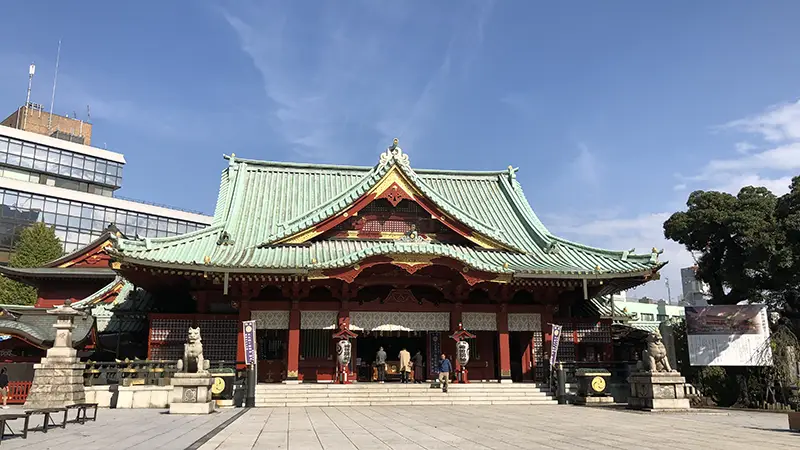
Here’s the thing though. Shrines were already part of my life. As a student I used to spend free afternoons wandering through Kanda Myojin or Yasukuni. During cram school years, I’d cut through Meiji Jingu when I needed to clear my head. I loved those places. I just never once thought of any of it as religion.
Looking back, what changed wasn’t whether shrines were in my life. It was what they meant to me. Somewhere along the way, a place to decompress turned into something harder to explain.
Today I visit shrines and temples every single day when I’m back in Japan. Nothing dramatic happened — no conversion, no revelation, no declaration. I just kind of ended up here.
Oh, and I got married at Meiji Jingu. My American husband’s idea — he really wanted to wear a hakama. I wanted a white dress. Most weddings are supposed to go the bride’s way. Somehow mine turned into a negotiation between one man’s hakama dreams and a collection of Japanese deities.
The groom got his hakama. The kami got both of us.
Somewhere in all of that, I started wondering what I actually meant back then when I said I had no religion.
A Translation Problem: What “No Religion” Really Means in Japan
When Westerners hear a Japanese person say “I’m not religious,” they usually read it as: religion plays no role in my life.
That’s not always what’s being said.
For a lot of Japanese people, the question lands differently. It sounds more like: do you belong to a religion? Are you an active believer? And to that, many honestly answer no.
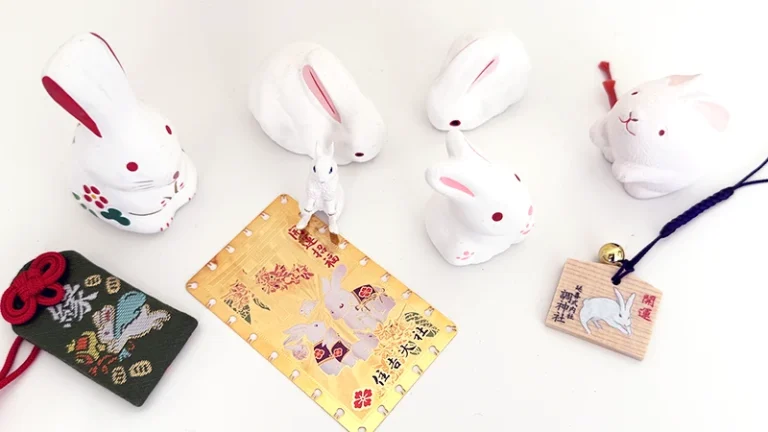
Meanwhile, those same people might visit a shrine on New Year’s Day, pick up an omamori charm before an exam, say a prayer at a family altar, or show up to a local festival that’s been running for four hundred years.
From outside, that looks like a contradiction. Inside Japan, it doesn’t really feel like one.
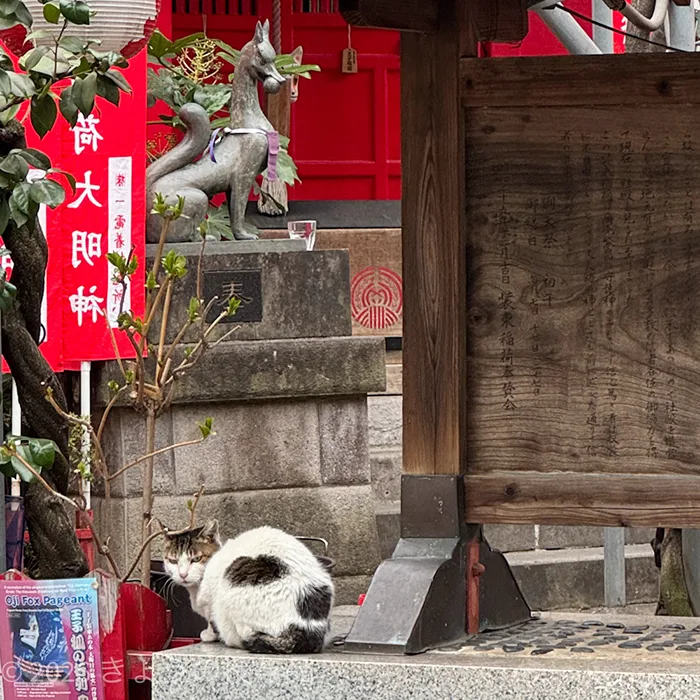
And then there’s this: the same person who says “I have no religion” will sometimes quietly avoid a particular Inari shrine because it gives them a bad feeling. Can’t really explain it. Just a feeling that you don’t mess around with fox deities.
That’s not the absence of belief. That’s belief that’s gone so deep it doesn’t need a name anymore.
When Religion Becomes Invisible: How Shinto Blends Into Daily Life
Part of what’s going on comes down to how spiritual traditions actually developed in Japan.
Shinto, Buddhism, folk beliefs, local customs — these didn’t stay in separate boxes. Over centuries they folded into each other, and into ordinary life. Most people don’t experience them as doctrine. They’re just how things are done.
A shrine visit feels like something your family has always done. A prayer feels like habit. A festival feels like a neighbourhood event.
The religious layer hasn’t vanished. It’s just fused with culture so completely that pulling them apart doesn’t quite make sense anymore. When something becomes part of how you live, it stops looking like anything at all.
O-tento-sama: How Animism Shapes Japanese Values
Getting older, I started noticing things I’d always taken for granted.
There’s a phrase older Japanese people use: o-tento-sama ga mite iru — “the sun is watching.” It means: don’t do anything you’d be ashamed of. Don’t do anything you couldn’t do under an open sky.
No scripture behind it. No institution enforcing it. Just… the sky, somehow.
Long before Japan ever encountered the word “religion,” there was already a way of seeing the world — animistic, to use the academic term — where nature wasn’t a backdrop but a presence. Mountains, rivers, forests, old trees, ordinary crossroads. All of it potentially alive with something worth respecting. Over time, that sensibility shaped what became Shinto.
Japan runs on rice, and rice runs on sunlight. For a farming society, the sun wasn’t just weather. It was everything. Which is why Amaterasu, the sun goddess, holds such a central place in the Shinto world — not because of a theology someone invented, but because of something felt across generations of people who lived by the harvest.
Small Everyday Rituals
Most Japanese people today wouldn’t call themselves animists. But look around.
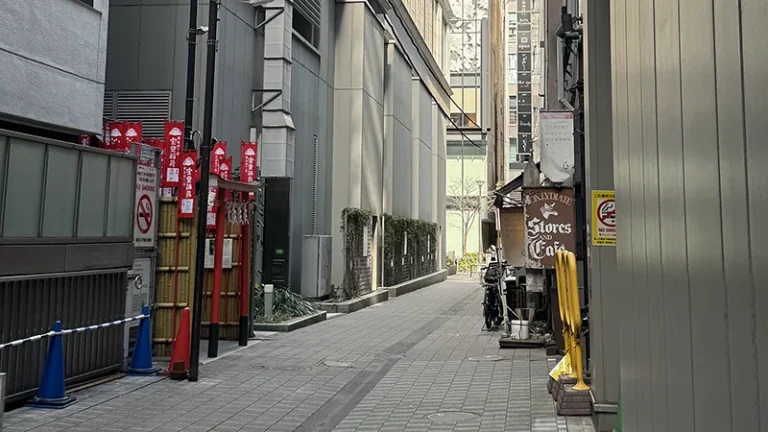
In itadakimasu before eating. In not wanting to waste things. In pausing before an old tree. In the small shrine tucked between the convenience store and the apartment block that nobody built and nobody takes down.
So ordinary it doesn’t register as religious. It just feels like sense.
So Are Japanese People Non-Religious? It’s Complicated.
Some genuinely are. Some are deeply devout. Most are somewhere in the middle — and that middle is where things get interesting.
They may not belong to any religious organisation. They might never call themselves believers. But they go to shrines on New Year’s Day. They drop coins and bow their heads before exams. They buy little charms for safe travel, healthy pregnancies, passing grades. They show up to local festivals year after year without really asking why. They visit graves and burn incense for people they’ll never stop missing.
A lot of the people who say “I’m not religious” are doing all of this.
When Japanese people say they have no religion, they’re usually not turning their back on shrines or temples or the rituals that shape their year. They’re saying they don’t fit the version of “religious” they’ve been asked about.
Japan isn’t really a country without faith. It’s more like faith and daily life got tangled together so long ago that it’s hard to pull them apart now.
That portrait artist in Montparnasse asked me one question I wasn’t expecting. I laughed it off immediately. These days I’d take a lot longer before answering — not because I’ve worked it out, but because I’ve stopped being so sure I ever understood the question.
You might also like:
What Are Kami? Understanding the Sacred in Japan